National Post Traumatic Stress Disorder (PTSD) Awareness Month, observed in June, is a time to reflect on the signs of PTSD and help those who are currently suffering. Many associate PTSD mainly with combat veterans, but the condition can affect anyone who has experienced trauma, according to Scott Feldman, a Licensed Mental Health Counselor (LMHC) at CHD’s Pine Street Outpatient Behavioral Health Clinic in Springfield, and Maria Maloney, clinical supervisor at our Park Street Outpatient Behavioral Health Clinic in West Springfield.
“In my experience, PTSD affects far more people than military veterans, and a significant number of clients of mine are either diagnosed with PTSD or present with trauma symptoms,” said Feldman.
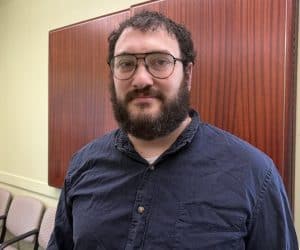
Indeed, PTSD impacts a variety of people from all walks of life. It can occur whenever an individual is exposed to events involving death, serious injury, or sexual violence, according to Feldman. “This exposure can mean direct experience, such as being sexually assaulted,” he said, “or it can mean witnessing these events, such as seeing a loved one murdered. It can be learning this type of event happened to a loved one, such as a father learning his daughter experienced rape, and he was unable to protect her. They might feel this sense of responsibility and guilt: ‘I should have done this—I should have done that’—but it wasn’t their fault at all. Or it can be the result of repeated exposure, such as a police officer being overexposed to child abuse cases.”
Additionally, clients sometimes experience PTSD from a natural disaster, such as the western Massachusetts tornado of 2011, a house fire, or a serious car accident. “For example, someone in a severe auto collision may be extremely nervous about going back into a car,” said Feldman. Maloney, as a clinician, has also worked with people who experience PTSD from all of these types of incidents. “Clients sometimes experience a trauma in adulthood that brings back something that they experienced as traumatic earlier in their lives and this magnifies the experience,” she said.
PTSD Symptoms
The Diagnostic and Statistical Manual of Mental Disorders, 5th Edition (DSM-5) lists numerous symptoms of PTSD, including, but not limited to, having overly negative thoughts about the world or oneself, an exaggerated startle response, and hypervigilance—being skittish and extremely aware of your surroundings. Never sitting with your back to the door, for example, is an ingrained tactical habit among many combat veterans and individuals with PTSD. It is a survival strategy meant to maintain situational awareness. “There is also exaggerating blame on oneself—they aren’t able to accept the fact that certain things were out of their control,” said Feldman. “But when I’m explaining PTSD to clients, I often the analogy of broken smoke detector that keeps going off even when there’s no smoke. When the detector goes off, it’s as though they are reliving the trauma. They can hear a firework explode and suddenly they’ll be reliving the time they were shot, or they can swallow some food down the wrong pipe, and suddenly they are back to being choked by their abusive partner.”
The reactions to trauma triggers can also vary dramatically between individuals. For some, it results in extreme emotional swings when a trigger occurs. For others, they will shut down emotionally and describe a feeling of numbness. “Still others will have a persistent and overwhelming sense of danger in certain situations—for example, being alone in their own home,” said Feldman. “Another example is a persistent negative worldview—that things can never go well, and the world is awful,” he said.
PTSD can also bring on nightmares, intrusive thoughts, flashbacks, distorted beliefs about self and others, feelings of numbness and detachment, feelings of guilt, blame or shame, feeling anxious, difficulty with falling or staying asleep, anger, or irritability—as well as the victim avoiding reminders of the experience, said Maloney. “Often people also experience physical symptoms such as GI problems, headaches and chronic pain,” she added. “In children, it can also involve behavioral regression like bedwetting, changes in language skills, frequent headaches, and stomachaches. Children can also display hyperactivity, distraction, and impulsive behavior.”
How PTSD is Treated

There are many modalities that can be used to manage PTSD and its symptoms, but a few of the more well-known ones include psychodynamic therapy with a trauma-informed approach, which can help people process unresolved trauma through their relationship with their clinician. “Eye Movement Desensitization Reprocessing therapy, known as EMDR, has shown positive results in numerous clinical studies,” said Feldman. “For certain types of trauma, Prolonged Exposure Therapy can help people develop distress tolerance and reduce the impact of trauma triggers. In addition, Cognitive Behavioral Therapy (CBT) can be invaluable in helping clients develop awareness of cognitive distortion and develop the skills to challenge irrational beliefs with thoughts that are more evidence-based.”
He also mentioned solution-focused therapy that is focused on managing trauma symptoms, such as diaphragmatic breathing, breathwork, and progressive muscle relaxation.
Maloney listed Attachment, Regulation and Competency (ARC) therapy and Internal Family Systems therapy as other evidence-based treatments. “Also, traditional ‘talk therapy’ can also assist clients in learning skills and healing,” she said. “It is always important that all therapy we provide is trauma-informed as we do not always know what clients have been through, and they may not be ready to disclose what has happened to them.”
Feldman said it’s gratifying for him to help clients navigate their way through PTSD. “When a client says I helped them resolve some of their trauma—or at least look at it through a different light—it’s pretty rewarding,” he said. “It’s hard to put into words what it feels like. I feel blessed that I get a chance to do it.”
View an interview with Scott Feldman about PTSD on WWLP-22News.